Archives
- 2026-07
- 2026-06
- 2026-05
- 2026-04
- 2026-03
- 2026-02
- 2026-01
- 2025-12
- 2025-11
- 2025-10
- 2025-09
- 2025-03
- 2025-02
- 2025-01
- 2024-12
- 2024-11
- 2024-10
- 2024-09
- 2024-08
- 2024-07
- 2024-06
- 2024-05
- 2024-04
- 2024-03
- 2024-02
- 2024-01
- 2023-12
- 2023-11
- 2023-10
- 2023-09
- 2023-08
- 2023-06
- 2023-05
- 2023-04
- 2023-03
- 2023-02
- 2023-01
- 2022-12
- 2022-11
- 2022-10
- 2022-09
- 2022-08
- 2022-07
- 2022-06
- 2022-05
- 2022-04
- 2022-03
- 2022-02
- 2022-01
- 2021-12
- 2021-11
- 2021-10
- 2021-09
- 2021-08
- 2021-07
- 2021-06
- 2021-05
- 2021-04
- 2021-03
- 2021-02
- 2021-01
- 2020-12
- 2020-11
- 2020-10
- 2020-09
- 2020-08
- 2020-07
- 2020-06
- 2020-05
- 2020-04
- 2020-03
- 2020-02
- 2020-01
- 2019-12
- 2019-11
- 2019-10
- 2019-09
- 2019-08
- 2019-07
- 2019-06
- 2019-05
- 2019-04
- 2018-11
- 2018-10
- 2018-07
-
Acknowledgements We appreciated the contributions of
2021-12-13
Acknowledgements We appreciated the contributions of Ana Carolina Galha, Selma XSL Pinheiro and Islene Azevedo for technical assistances. In addition, we wish to thank Adilson José de Almeida (in memoriam), Moyra M Portilho, Vanessa A Marques and Letícia P Scalioni, for data analysis during the set
-
It is interesting to note
2021-12-13

It is interesting to note that GlyT1 and GlyT2 are modulated in a coordinated and opposite way as that shown in this work by different mechanisms and situations. An example is the purinergic control of GlyT1 and GlyT2 through P2Y receptors in brainstem and spinal cord neurons. This mechanism promote
-
Administration of a fructose rich diet
2021-12-13
Administration of a fructose-rich diet to normal rats induces insulin resistance and impaired glucose tolerance or diabetes, depending on treatment duration [23]. We have shown that development of these abnormalities as well as fat deposit in liver, are effectively prevented by co-administration of
-
br Materials and methods br Results br Discussion Defective
2021-12-13
Materials and methods Results Discussion Defective regulation and inappropriate activation of the HH signaling pathway is implicated in many cancers. SMO targeting inhibitors were the first to enter clinical trials, however complications with acquired resistance and toxicity, also exemplifi
-
br Methods br Results br Discussion The measurement of intra
2021-12-13
Methods Results Discussion The measurement of intraocular pressure was made with a commercially available rebound tonometer, the Tonovet®. In our studies, Tonovet® underestimated the intraocular pressure in both animal models, being this effect more pronounced in the rat. To study the effe
-
So in this study our results
2021-12-13
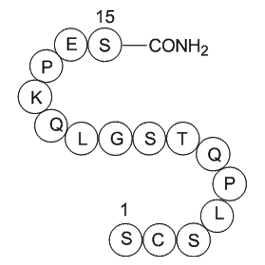
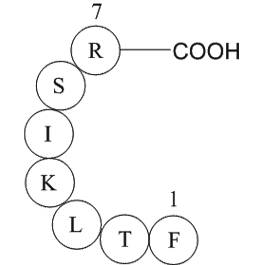
So in this Camptothecin sale study, our results firstly demonstrated that i.c.v. injection of ghrelin(1–7)-NH2 played a significant role in the modulation of the acute heat pain at the supraspinal level in mice. Our results showed that i.c.v. injection of ghrelin(1–7)-NH2 produced dose- and time- d
-
br Experimental section br Results and discussion br Conclus
2021-12-13
Experimental section Results and discussion Conclusions To summarize, the act of conjugating a ASC ligands to a Ru(II) polypyridyl subunits resulted in a class of excellent DNA binders. A comparison of the DNA binding abilities of the free ASC ligand and the complexes, has revealed that the
-
Lenvatinib is an orally available
2021-12-13
Lenvatinib is an orally available, multi-targeted tyrosine kinase inhibitor against VEGFR1–3, FGFR1–4, PDGFRα, RET, and KIT [11,12]. In a recent phase III trial for patients with previously untreated uHCC (REFLECT study), lenvatinib showed statistical non-inferiority of overall survival compared to
-
Our previous study had shown that silencing FFAR expression
2021-12-13

Our previous study had shown that silencing FFAR1 expression weakened the action of PIO in increasing insulin secretion in lipotoxic β dna synthesis inhibitors [6]. Resent research found that PIO promoted insulin secretion by upregulating FFAR1 [17]. Therefore, we presumed that FFAR1 may be involved
-
At the molecular level AZ scaffold proteins including piccol
2021-12-13
At the molecular level AZ scaffold proteins including piccolo and bassoon have been shown to directly or indirectly associate with endocytic and actin-binding proteins such as ABP1 (Fenster et al., 2003), profilin, and GIT (Podufall et al., 2014) (Fig. 2B). ABP1 and profilin, via regulating F-actin,
-
br Materials and methods br Results
2021-12-13

Materials and methods Results and discussion Conclusion The as-designed system was based on the assembly of MSN-Cy and TPGS, which was dominated by π-π stacking interactions. By the strong mutual force, Cypate and TPGS formed a compact layer around the MSN core, which blocked the drug leaka
-
Most of the GSNOR inhibitors
2021-12-10
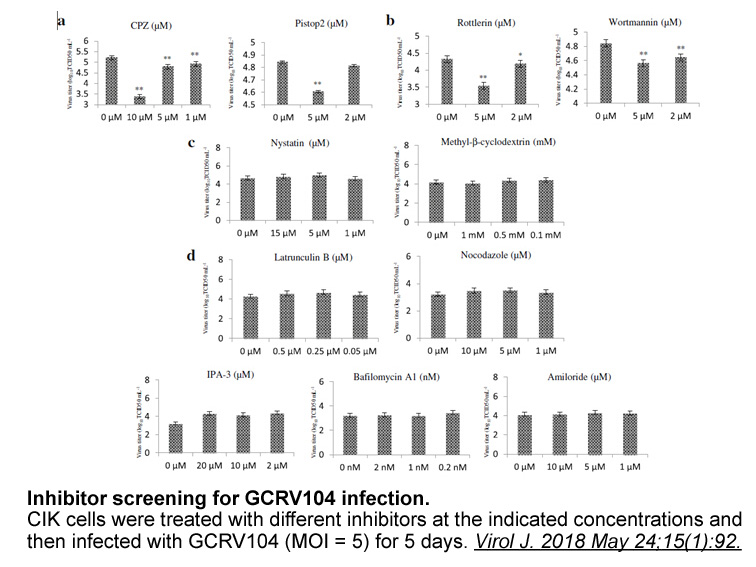
Most of the GSNOR inhibitors presented here were synthesized according to . The synthesis started from either commercially available ketones or the ketones prepared as described in the . In , condensation of ketone and 2-furanaldehyde provided intermediate in good yield. Furan ring opening of interm
-
In spite of the impressive progress made
2021-12-10
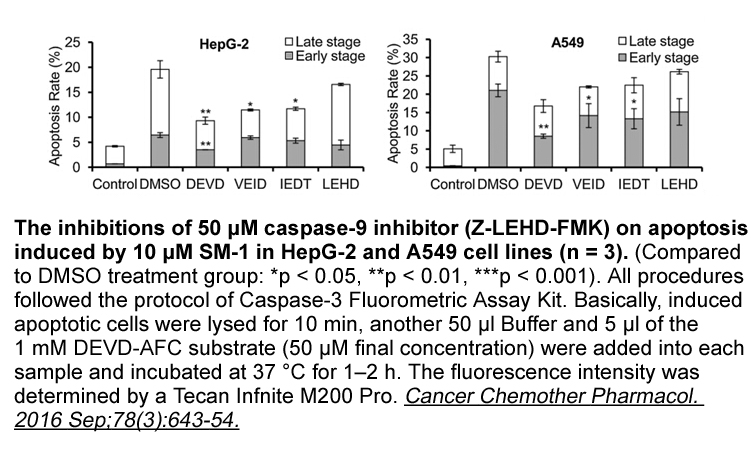
In spite of the impressive progress made in DNA glycosylase assays in recent years, few of them have clearly been viable candidates for further development and implementation in biomedical research and clinical practice. Future research efforts should be devoted to devising assays with improved perf
-
Acute lung injury is present in sepsis and SIRS and
2021-12-10
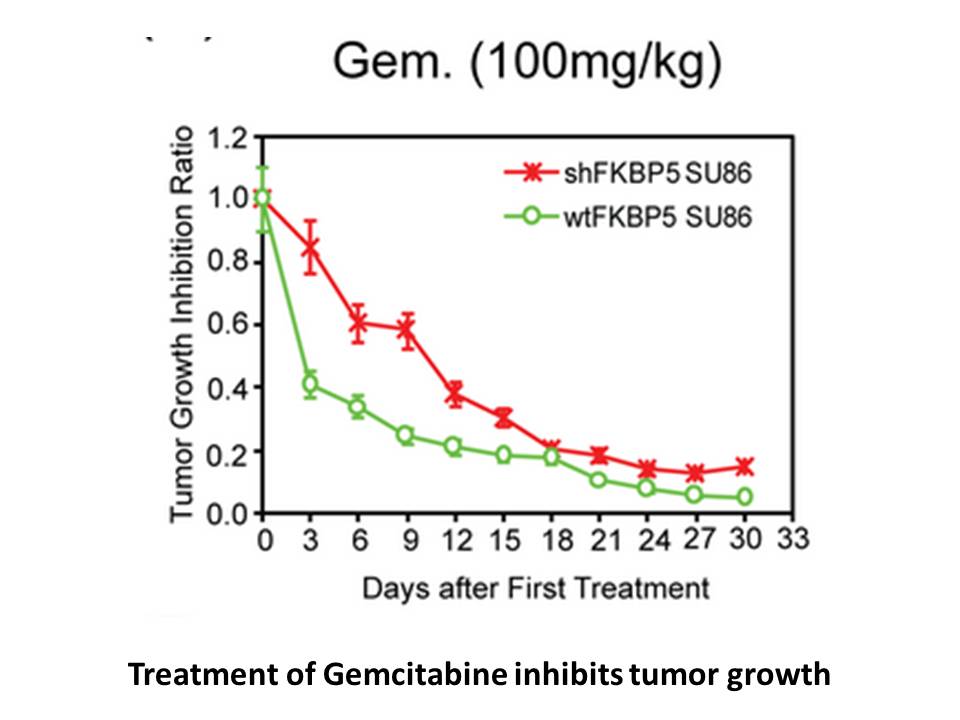
Acute lung injury is present in sepsis and SIRS and is associated with increased pulmonary levels of proinflammatory cytokines and neutrophil extravasation into the alveolar space [19], [24]. Hauser et al. [25] observed that fragmented mitochondria induced pulmonary inflammation via neutrophil activ
-
Recently they reported an enyne chemotype agonist Fig with l
2021-12-10
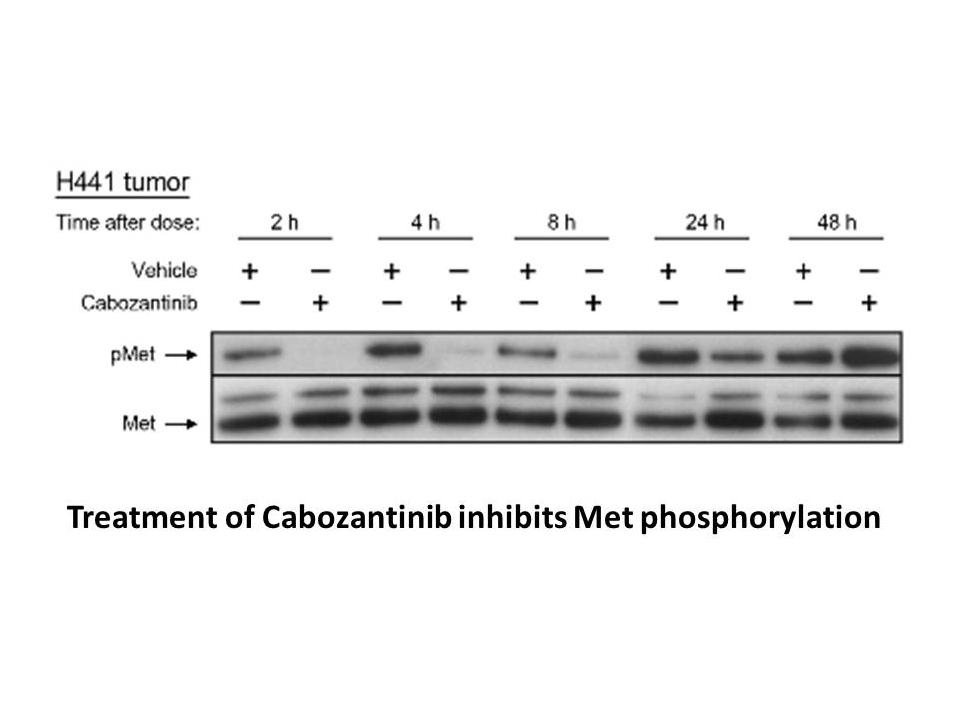
Recently, they reported an enyne chemotype agonist (21, Fig. 13) with low lipophilicity, small polar surface area (PSA) and high potency (Clog P=3.8, tPSA=37 A2, EC50=20nM), further derived from TUG-424. The compound endowed fast oral kinase inhibitor (tmax=15min) and a decent pharmacokinetic profi
16290 records 543/1086 page Previous Next First page 上5页 541542543544545 下5页 Last page